
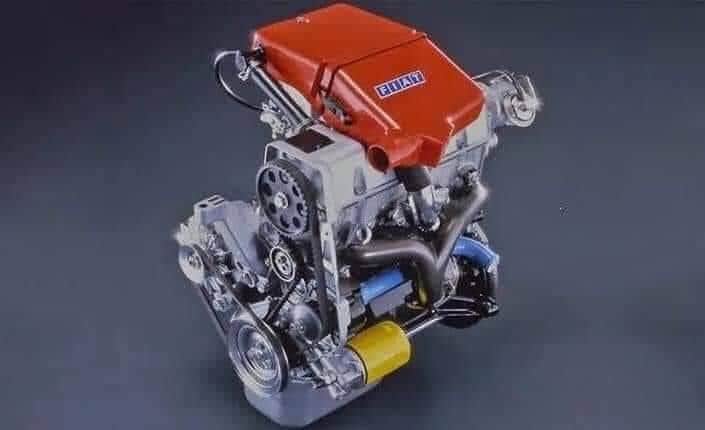
Embarrassing admission first. When I was growing up in the late 1980s, my dad (Bill, who can still be found answering italicar’s phone most days) would bring home some new Fiat from the dealership he managed, and my mind boggled whenever he said it had a ‘fire engine’ under the bonnet. My understanding of mechanics was largely cartoon-based at the time (still is, many would say), and I simply couldn’t fathom how the big red engines that propelled Fireman Sam around had been squeezed into the Fiat Uno I was sitting in.
I won’t admit quite how old I was when I realised that Dad’s ‘fire engine’ was actually FIRE, short for Fully Integrated Robotised Engine, and had absolutely nothing to do with putting out fires in Pontypandy. The name described the revolutionary automated production process Fiat had built to make it. The young me may have been a little disappointed, but once I got around to driving, this humble lump took on far more legendary status than any of my animated heroes of old.

Plenty of engines have outsold the FIRE’s 23 million (Chevrolet’s small-block V8 passed 100 million, and Volkswagen’s air-cooled flat-four is thought to be nearer 30 million), but for a certain generation in Europe, I think this plucky little engine introduced more of us to the pleasures of motoring than any other. It was never built to win races or break records. It was built to take millions of us to school, out to the shops and on long, boring road trips to the holiday campsite. When I think of memories in cars over the years, behind the wheel or in the passenger seat, the FIRE is the driving force behind so many of mine.
And there’s an irony at the heart of its story. Fiat developed the FIRE so that robots could do the work of costly, demanding, emotional humans. Yet it was the humans who drove it, in the Unos, Pandas, Puntos and Cinquecentos we still work on regularly at italicar, who made it a success. So let’s explore its history and measure the enormous impact it had.
You’re Fired
As we sit here in the second quarter of the 21st century, with our AI agents churning out more slop than we could ever have dreamt of, it’s hard to imagine how rapid automation and computerisation must have felt in the early 1980s. Computers had once demanded entire floors of an office building and a team of boffins to switch on and control. Then, in 1981, IBM launched the PC, a machine that could sit on a desk and take on all manner of menial tasks, transforming the career landscape. People genuinely worried about the robots taking their jobs (typing, filing and payroll were suddenly under threat), but the bosses at Fiat took a more optimistic view.
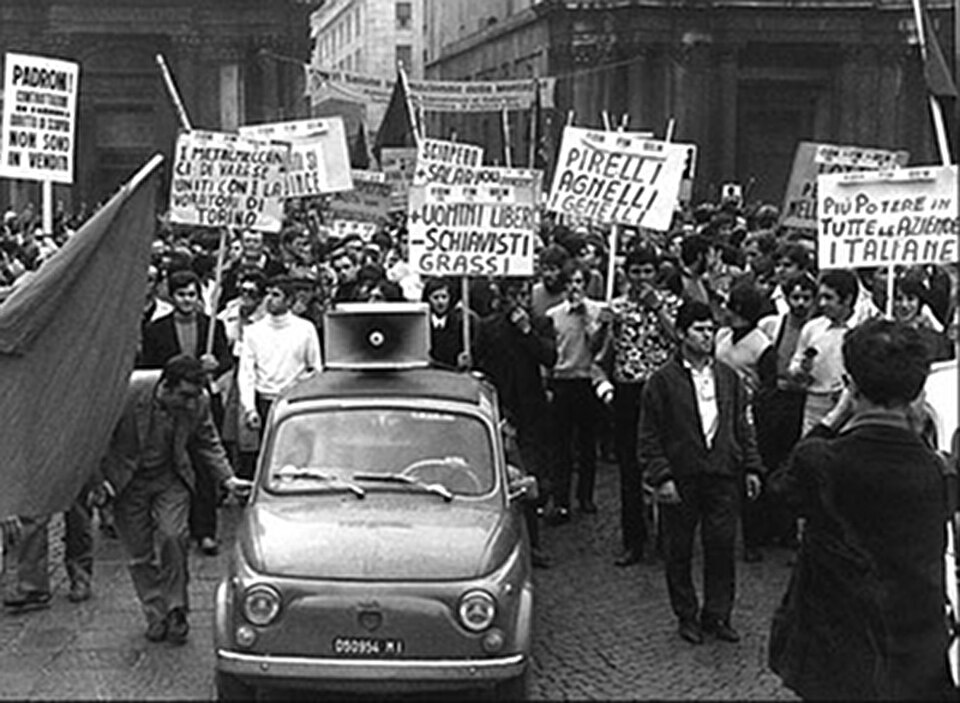
That’s no surprise. After the ‘Autunno Caldo’ (Hot Autumn) strikes of 1969 swept through their Turin factories, Fiat spent the 1970s battling on all fronts: more strikes, tougher economic conditions and a global oil crisis. No wonder they jumped at the chance to remove humans from their massive production lines. What they needed was more, better, quicker, simpler. All of which could now be done without the annoying inconvenience of people.
Fiat had already created a subsidiary concern, Comau S.p.A., to capitalise on this new age of post-Fordist automation. In 1978, the new Ritmo (or Strada, to us Brits) became the first product of Comau’s futuristic ‘Robogate’ system, and gave us the memorable advertising slogan ‘Handbuilt by Robots’. Robogate essentially automated the spot-welding of a car’s monocoque bodyshell, meaning a complete Ritmo bodyshell could be produced in 32 seconds, compared with over six minutes of manual labour for a 126. No holiday to pay, no sick leave, no strikes. Fiat loved it.
But, if robots could produce a car’s bodyshell, why couldn’t they knock out the engine too?
Fighting Fire with FIRE
The answer is; they could. They just needed some very clever people to tell them how to do it first.
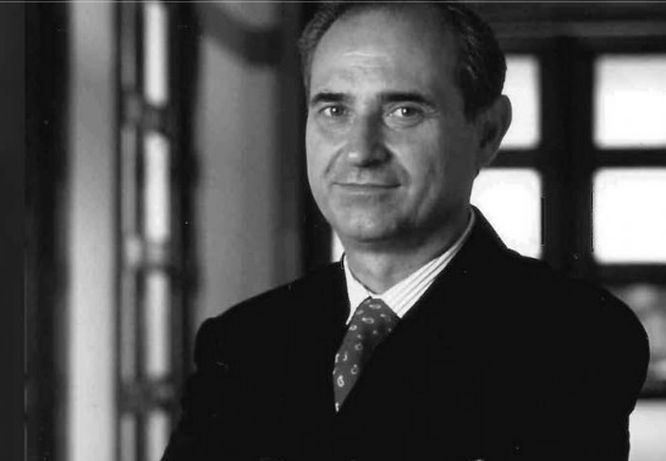
The first of those clever people was Stefano Iacoponi, an engineer who started his career at Ferrari where he had worked on expanding Mauro Forghieri’s 1.5-litre flat-12 into the 2.0-litre unit used in the 212 E. He then moved to Abarth, where his genius produced the 16-valve heads used on the 124 Abarth Rallye’s Lampredi twin-cams. When Fiat snaffled up Abarth, Iacoponi was shuffled into Fiat’s Technical Department and tasked with delivering a replacement for the tired 100-series pushrod engine found in the 600, 850 and 127. Before he’d even lifted a spanner, he delivered a masterstroke; bringing together a disparate group of people from every department, not just engineers.
He invited everyone’s opinion, from those who operated the assembly line to those who designed the cars. The aim was for the engine to be an integral part of the finished car, not a foreign body dropped in at the last minute. Involved in this collaborative process was an amazing character named Rodolfo Bonetto. His remarkable career began as a jazz drummer, before moving on to designing cars with Pininfarina, and ultimately running his own design house creating household appliances, sanitary ware, televisions, hi-fi systems, suitcases and aircraft instruments.
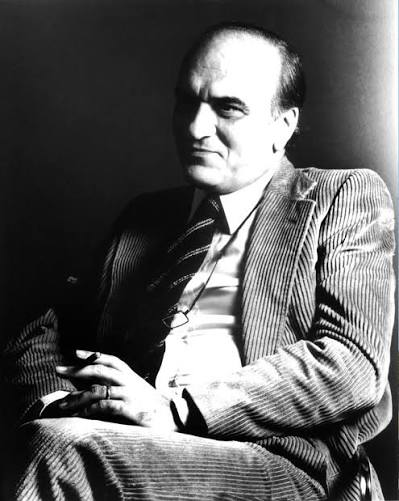
For a project whose whole purpose was to have fewer parts, a man who spent his career making everyday objects simple to make and simple to use was exactly the right ally.
In an effort to remove humans from the process, Fiat had accidentally created a pool of unique talent and vision. But even with these brilliant minds working in unison, it wasn’t an easy task. Their meetings had to be held in secret, in the dead of night, in rooms and offices hired from unrelated companies, to avoid the ire of the unions and their fiery protests on Turin’s streets.
The Initial Spark
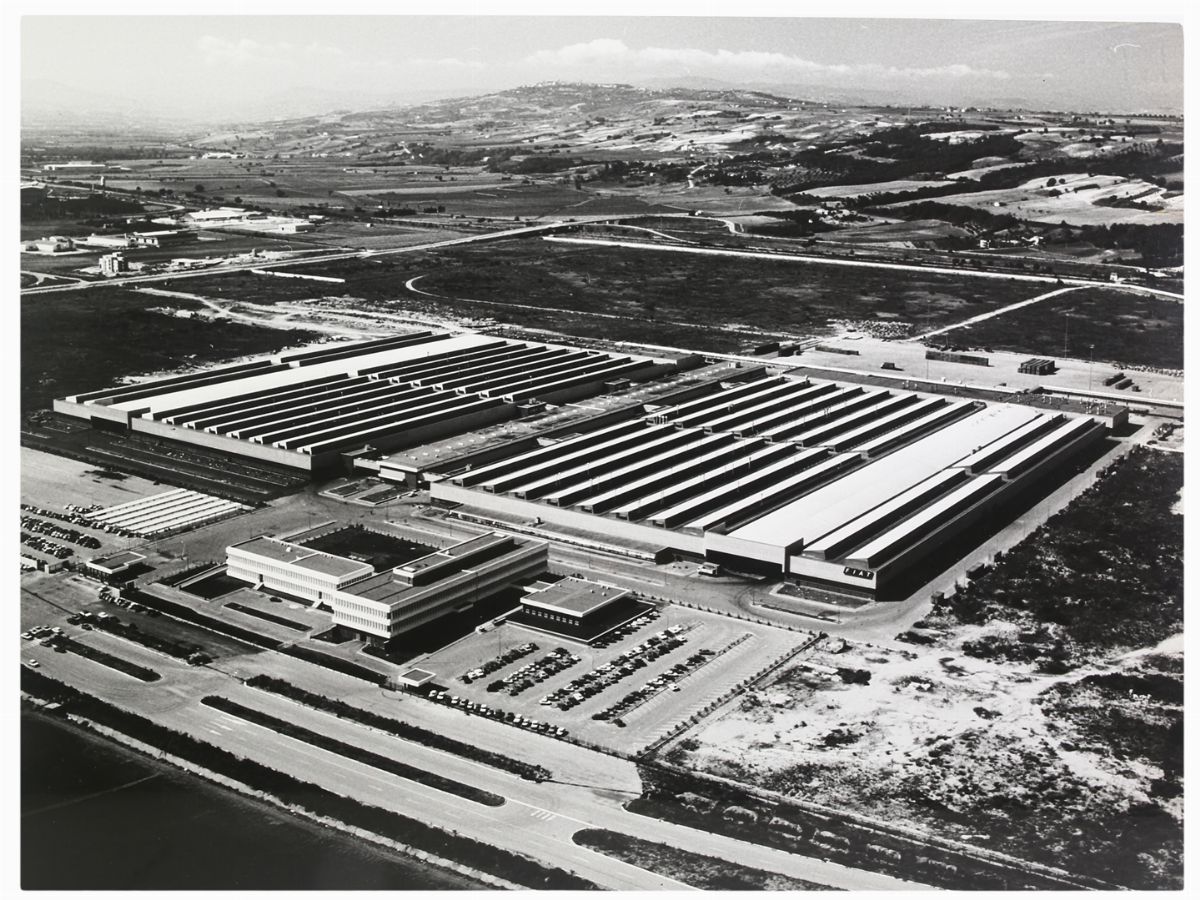
What was created behind shuttered windows was an engine that would go on to last 35 years in production and power some of the best-selling cars of all time. The first iteration was a simple straight-four with a five-bearing crankshaft, overhead cam and very few complications. They had stripped it back to just 273 individual parts (95 fewer than the 903cc 100-series), tipping the scales at just 69kg (9kg less than the 100-series). Even assembly was quicker: building a 999cc FIRE reportedly took two hours, half the time of the old pushrod unit. To build this new idea of an engine, Fiat built a new idea of a factory too, a purpose-built wing of its plant in Termoli.
The FIRE engine was first seen in 1985, in the Autobianchi / Lancia Y10 Fire (the Touring and Turbo models carried over the 1049cc engine from the 127). Soon after that, though, the fire really heated up. A few months later the Uno range adopted the FIRE engine in its new ‘45 Fire’ model, and in 1986 the newly facelifted Panda range brought in a smaller-capacity version (769cc, badged as the ‘750’) as well as using the 999cc in the 1000 models. After this, there was barely a model in Fiat’s range that didn’t have a FIRE engine of some form or another listed on its order sheet.
Spreading Like Wildfire
1980s
- 1985
- Lancia Y10 FIRE – 999cc
- Fiat Uno 1.0 45 FIRE – 999cc
- 1986
- Lancia Y10 FIRE LX – 999cc
- Lancia Y10 4WD – 999cc
- Fiat Panda 750 – 769cc
- Fiat Panda 1000 – 999cc
- Fiat Panda 4×4 – 999c
- 1988
- Fiat Tipo – 1,108cc (LHD only)
- 1989
- Lancia Y10 FIRE LX i.e – 1,108cc
- Lancia Y10 4WD i.e – 1,108cc
- Fiat Uno 1.1 60 FIRE – 1,108cc
1990s
- 1990
- Lancia Y10 FIRE LX i.e cat – 1,108cc
- Lancia Y10 4WD i.e cat- 1,108cc
- 1991
- Fiat Uno 1.1 50 i.e. cat- 1,108cc
- Fiat Panda 1000 – 999cc
- Fiat Panda 1100 – 1,108cc
- Fiat Panda 4×4 – 999cc
- 1992
- Lancia Y10 – 1,108cc
- Fiat Uno 1.0 45 i.e. – 999cc
- Fiat Panda 4×4 – 1,108cc
- 1993
- Fiat Punto (176) 55 – 1,108cc
- Fiat Punto (176) 60 – 1,242cc
- Fiat Punto (176) 75 – 1,242cc
- Fiat Punto (176) 85 – 1,242cc
- 1994
- Fiat Cinquecento Sporting – 1,108cc
- 1995
- Fiat Punto (176) Cabriolet – 1,242cc
- 1996
- Lancia Y -1,108cc
- Lancia Y – 1,242cc
- 1997
- Fiat Punto Sporting – 1,242cc
- Fiat Palio (178) – 99cc
- Fiat Seicento Sporting – 1,108cc
- 1999
- Fiat Punto (188) – 1,242cc
- Fiat Bravo / Brava 80 – 1,242cc
2000 – 2010
- 2000
- Fiat Palio (178) – 1,108cc
- Fiat Palio (178) – 1,242cc
- Fiat Seicento SX – 1,108cc
- Fiat Stilo – 1,242cc
- 2003
- Fiat Panda (162) – 1,108cc
- Fiat Panda (162) – 1,242cc
- Fiat Punto (188) – 1,368cc
- Fiat Idea – 1,242cc
- Fiat Idea – 1,368cc
- Lancia Ypsilon (843) – 1,242cc
- Lancia Ypsilon (843) – 1,368cc
- 2004
- Fiat Panda (162) 4×4 – 1,242cc
- Fiat Stilo – 1,368cc
- Lancia Musa – 1,368cc
- 2005
- Fiat Grande Punto – 1,242cc
- Fiat Grande Punto – 1,368cc
- Fiat 600 Sporting – 1,108cc
- Fiat Idea (Brazil) – 1,368cc
- 2006
- Fiat Panda (162) Natural Power – 1,242cc
- Fiat Panda (162) 100HP – 1,368cc
- 2007
- Fiat Palio (178) – 1,368cc
- Fiat Bravo (198) – 1,368cc
- Fiat 500 – 1,242cc
- Fiat 500 – 1,368cc
- Fiat Linea – 1,368cc
- 2008
- Fiat Panda (162) Eco – 1,108cc
- Fiat Panda (162) Eco – 1,242cc
- Abarth 500 – 1,368cc
- Abarth Grande Punto – 1,368cc
- Alfa Romeo MiTo – 1,368cc
- Ford Ka – 1,242cc
- Chrysler / Lancia Delta (844) – 1,368cc
- Tata Indica – 1,242cc
- 2009
- Fiat Punto Evo – 1,242cc
- Fiat Punto Evo – 1,368cc
- Tata Indigo Manza – 1,368cc
2010 –
- 2010
- Abarth Punto Evo – 1,368cc
- Alfa Romeo Giulietta – 1,368cc
- 2011
- Fiat Panda (319) – 1,242cc
- Fiat Palio (326) – 1,108cc
- Fiat Palio (326) – 1,368cc
- Chrysler / Lancia Ypsilon (846) – 1,242cc
- 2012
- Fiat Panda (319) EasyPower – 1,242cc
- Fiat 500L – 1,368cc
- 2015
- Fiat 500X – 1,368cc
- Fiat Tipo (356) – 1,368cc
- Jeep Renegade – 1,368cc
- 2017
- Fiat 124 Spider – 1,368cc
- Abarth 124 Spider – 1,368cc
- 2018
- Jeep Compass – 1,368cc
That’s a huge range of very different cars, spanning different eras and built for entirely different purposes. To bridge this wide gap, the FIRE engine had to evolve rapidly to reflect the changing motoring landscape. It’s a microcosm of the changes in engineering, offering versions with almost every technological advance of the modern era.
Stoking the FIRE
The original carburettors soon gave way to single-point injection, multi-point injection was ushered in during the mid-1990s, and the most recent iterations ended with sequential injection (SFI or SMPI). The modernised 16v versions were known as the ‘Super-FIRE’, which in 2005 was developed further with a variable intake and EGR, giving us the ‘StarJet’. This then had a turbo strapped on, and thus the T-Jet was born, powering over a decade of Abarth pocket-rockets. In 2010, 25 years after the FIRE was first seen, it was grabbing attention all over again, even winning awards (being named International Engine of the Year, and Popular Science magazine naming it the ‘Best of What’s New’), thanks to the addition of the new MultiAir variable-valve trickery.
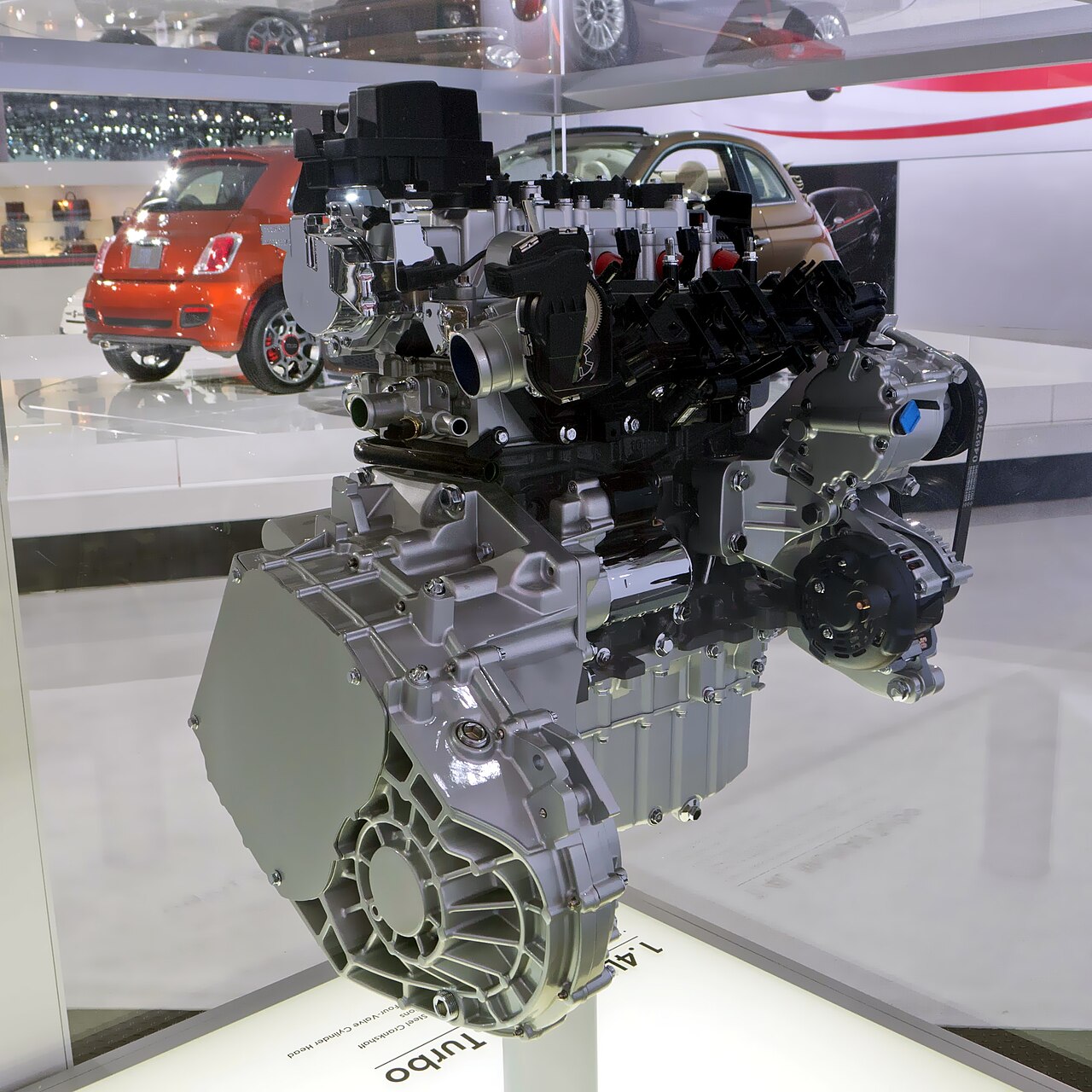
None of this would have been possible without the simplicity Iacoponi’s team had designed in from the start.
Baptism of FIRE
I said at the start that the FIRE was never built for performance. But at a few points in its illustrious history it has picked up some motorsport chops too, and for the same reasons that made it a good family-car engine: it’s cheap, simple and tough.
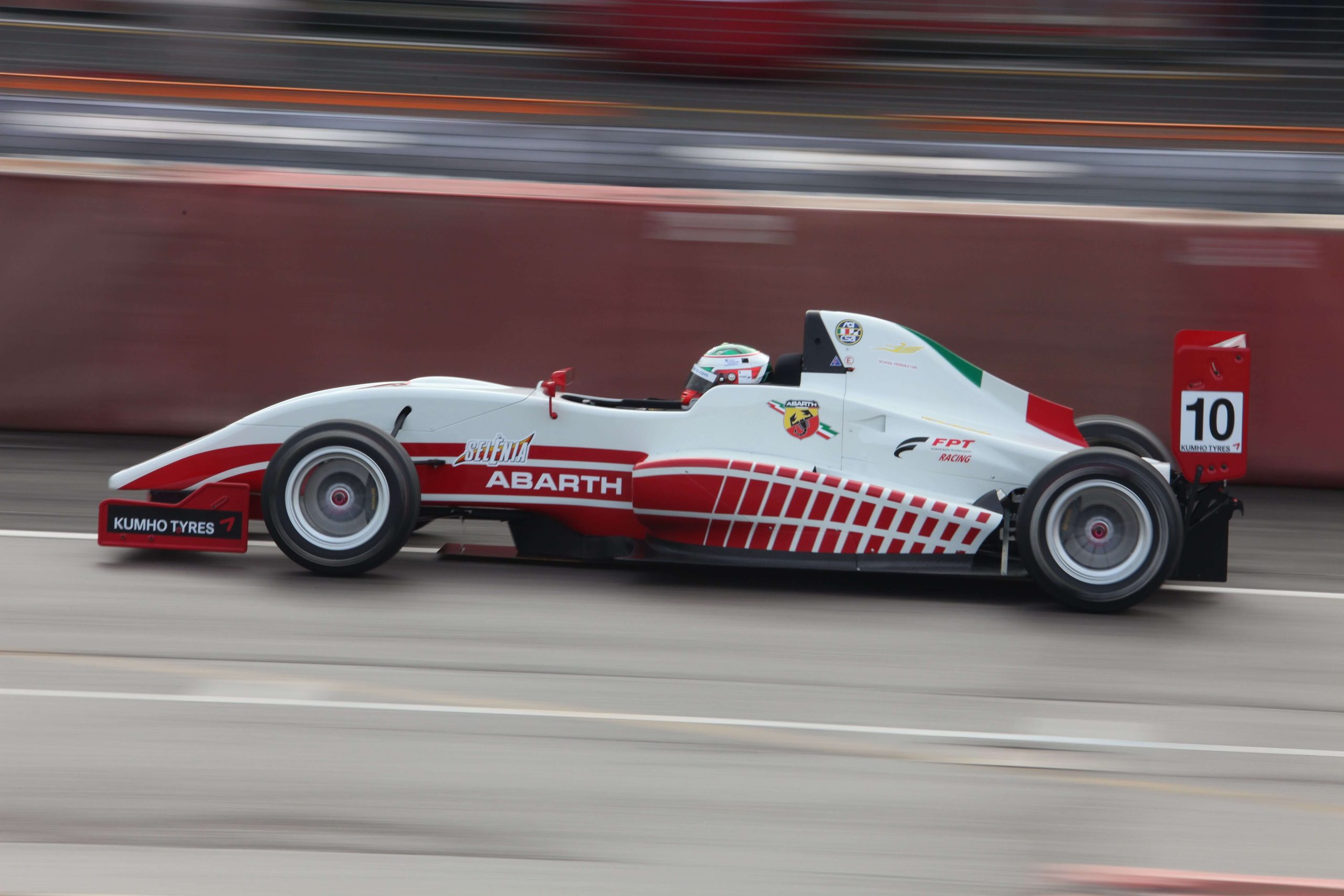
In its 1.4-litre, 16v, turbocharged form it powered the Tatuus FA010 single-seater, which was the only car allowed in Italy’s feeder series, Formula Abarth. The idea was to give young drivers the opportunity to experience highly competitive, open-wheel racing. It was so successful that it soon morphed into the FIA’s Formula 4, which launched in 2014. That is still running today, and remains powered by the 1.4-litre turbo, a direct descendant of the FIRE, capped at 185bhp with 270Nm of torque.
And the drivers who cut their teeth piloting our little engines around? You may have heard of some of them: Kimi Antonelli, Charles Leclerc, Lando Norris or Ollie Bearman?
Since 2003, Fiat’s FIRE has also been the engine of choice in the British 750 Formula, albeit in its 1,108cc form. This unique series has been running since 1949, and claims to be the oldest continually running racing championship anywhere in the world. Originally, all cars had to be powered by the 750cc Austin Seven engine, which was later replaced by a Reliant unit.

As we entered the new millennium, an inexpensive, simple and reliable but more readily available and modern engine was sought, and the humble FIRE was deemed the ideal candidate. Twenty-three years later, these often hand-built, prototype-style cars still rely on the handiwork of Iacoponi’s team for their propulsion.
Keeping the Home Fires Burning
Why is the FIRE engine so fondly remembered, then?
Yes, the way it was built was innovative. It played a large part in turning Fiat’s fortunes around. Its inherent simplicity made it eminently adaptable, meaning developments could easily be added and refined.
If that’s all it had going for it, though, would it have lasted as long as it did? What about its effect on us, the drivers? While the list of cars it was fitted in is long, and includes some of the best-selling models ever produced, it would have taken an odd child indeed to have had a poster of any of them on their wall growing up. But that is absolutely the point.
The cars powered by the FIRE engine in all its myriad variations were everyday, affordable and simple. I’d wager that most people across Northern Europe have, at some point or another, had a connection to one of these cars. Either a parent, a relative, a friend or yourself had one, right?
And isn’t it the cars we actually get to experience first-hand that really spread this incurable petrolhead virus, not just the distant, unobtainable exotica? I’ve never sat in an F40, but I can still remember the precise smell of the dash in the Fiat Uno my mum drove us to our caravan every summer holiday in. I have never felt a GT40’s acceleration, but I do remember giggling as my brother chucked his shabby Cinquecento Sporting into a roundabout after he’d picked me up from my GCSE exam.
Which brings up another reason the FIRE engine was such a success. It was, and is, brilliant to drive. Even in the lowly 34bhp guise in the Panda 750, it was responsive, loved to be revved and felt immediately Italian. I think I learnt more about driving in my Mk2 Punto 1.2 8v when I was young (rev-matching and attempting to heel-and-toe on every downshift because I couldn’t afford to lose what little momentum I’d built up) than I ever did in the Lancia Delta HF integrale I owned several years later.
Which is the irony at the heart of this story. Fiat set out to build an engine that needed as few humans as possible to make it, and ended up with one that was loved by more humans than almost any other. Every part Iacoponi’s team left out made it cheaper to build, which made it cheaper to buy, to run, to service and to fix. That simplicity suited the robots, but it suited us even better. For over 30 years, an engine designed to speed up the rise of the machine has been a part of everyday life for normal folk across Northern Europe.
The Embers of the FIRE
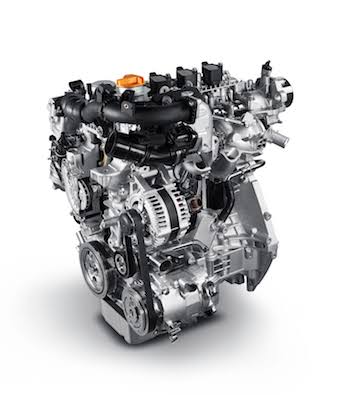
While this superb little engine had, somehow, managed to keep up with ever-changing demands over three decades, by 2016 its days were sadly numbered. We were entering another new era where efficiency and economy were being redefined. Its replacement, FCA’s GSE (Global Small Engine), shared a lot of the FIRE engine’s original aims. To keep production time and costs to a minimum, it was designed to be modular, i.e. 3-cylinder and 4-cylinder variants share components such as pistons and con-rods, meaning they can all be turned out on one line. Like its predecessor it also entered the market in 999cc capacity, although 30 years of learning meant it could turn that 1.0 litre into 71bhp, rather up on the original FIRE’s modest 45bhp.
And this newcomer had a similar-sounding name, albeit a less confusing one: the FireFly. I think that even as a child I’d have understood that fireflies aren’t literally powering the car.
Will the FireFly go on to be so ubiquitous, powering so many fantastic models and finding its way into so many people’s lives? It’s hard to imagine. If the FIRE taught Fiat anything, it’s that the robots can build an engine, but only the people can make it matter.


