
Italian cars have a reputation for rust, and unfortunately it is not entirely undeserved. The cure is to treat the underside and the cavities before the rot starts, not after. We do exactly that here in Norwich: fully versed in Lanoguard, Dinitrol, Waxoyl and other products. Whether it’s sealing in a nut-and-bolt classic restoration or simply protecting a modern car, we can assist.
Rustproofing & Underbody Treatment
Book in protection starting from just £200 + VAT
The right products, applied properly
Cavity wax where rust actually starts
Far cheaper than a welding bill
How We Protect a Car, Inside and Underneath
01
We Look at What You've Got
We put it up and check the underside. If it already needs welding, we tell you before anything else, because there is no sense sealing over serious rot.
02
Cleaned Down and Dried
The underside is cleaned and properly dried first. Treatment sprayed over dirt or damp traps moisture in and does more harm than good, so we do not rush it.
03
Underbody and Cavities Treated
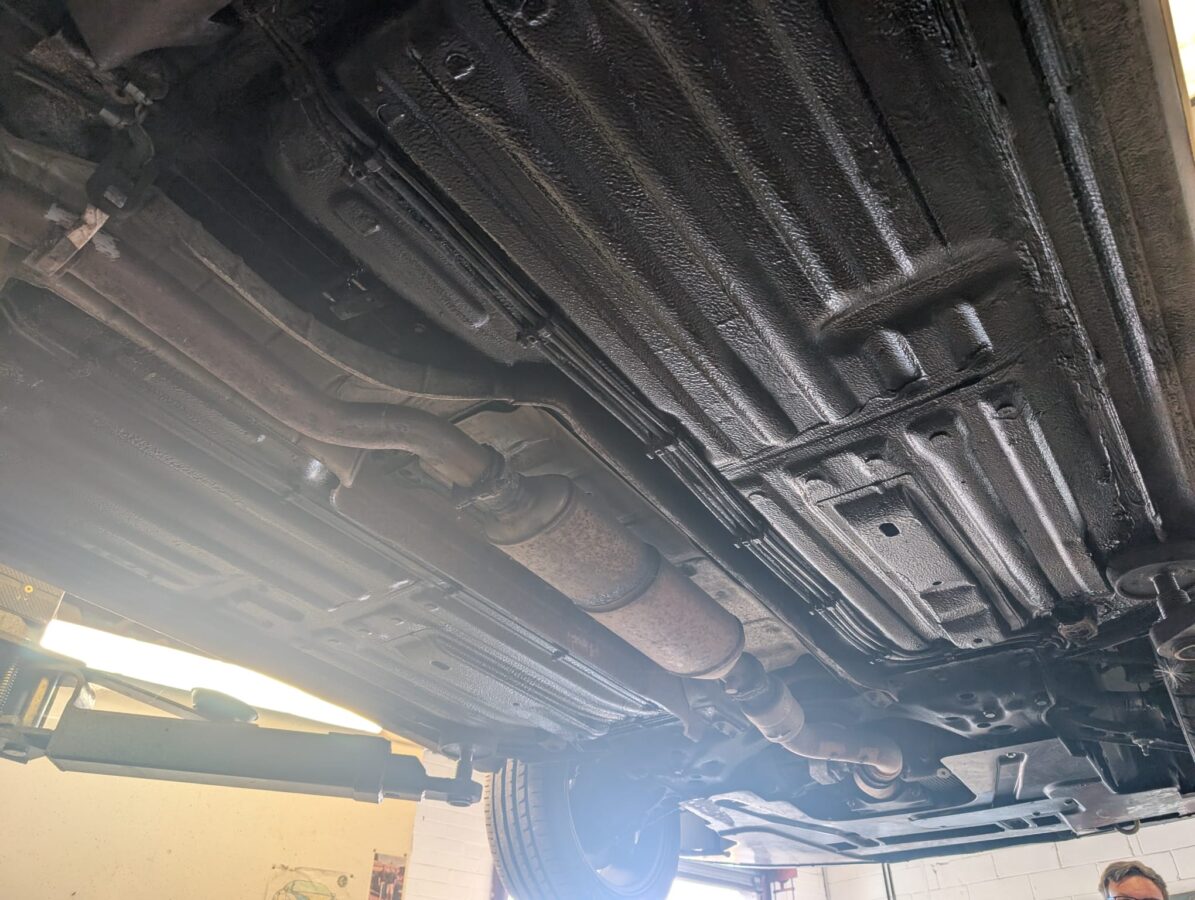
Dinitrol on any exposed underside, or Lanoguard injected into the sills and box sections where rust actually takes hold out of sight.
04
Cured, and a Plan to Keep It Up
Lanoguard tops up yearly, Dinitrol lasts longer and can be painted over. The car and its requirements decides when we see it back in, not us.
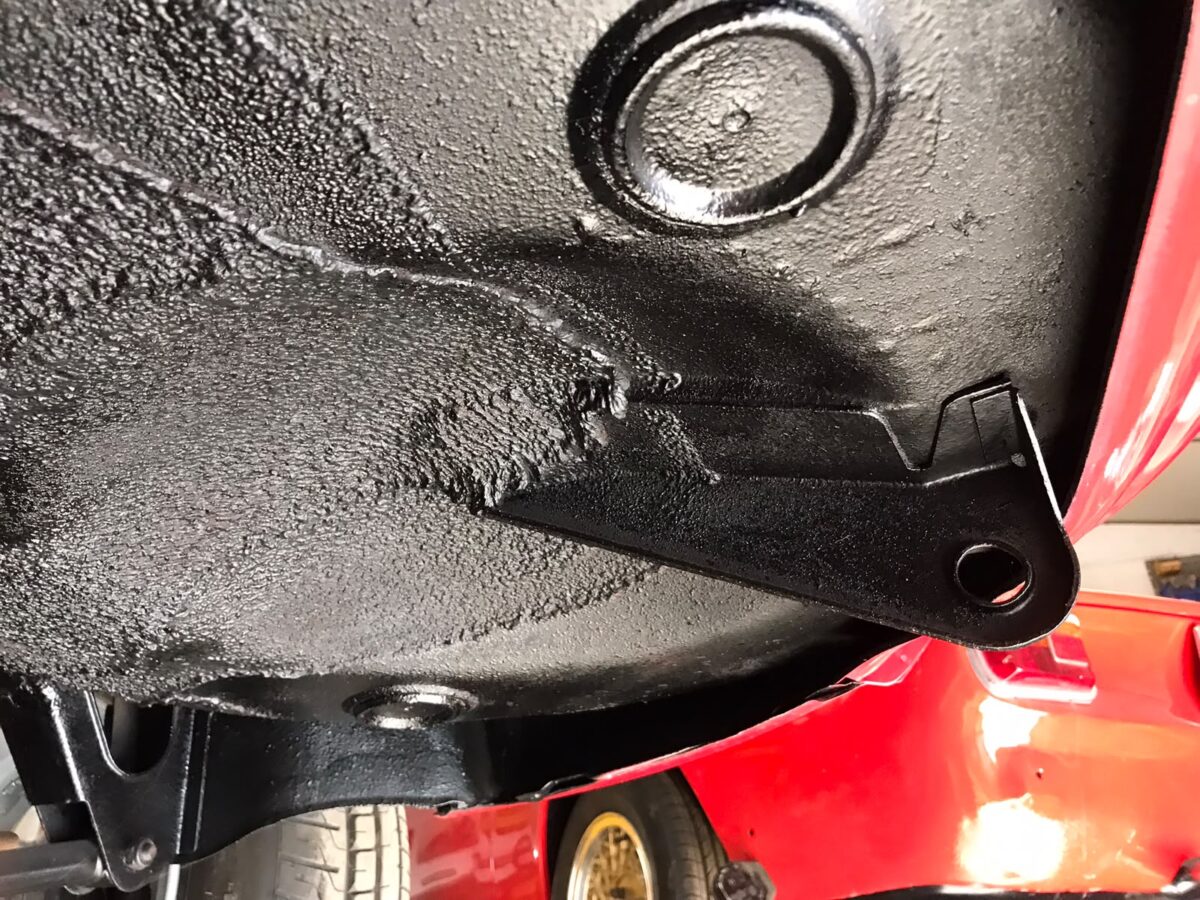
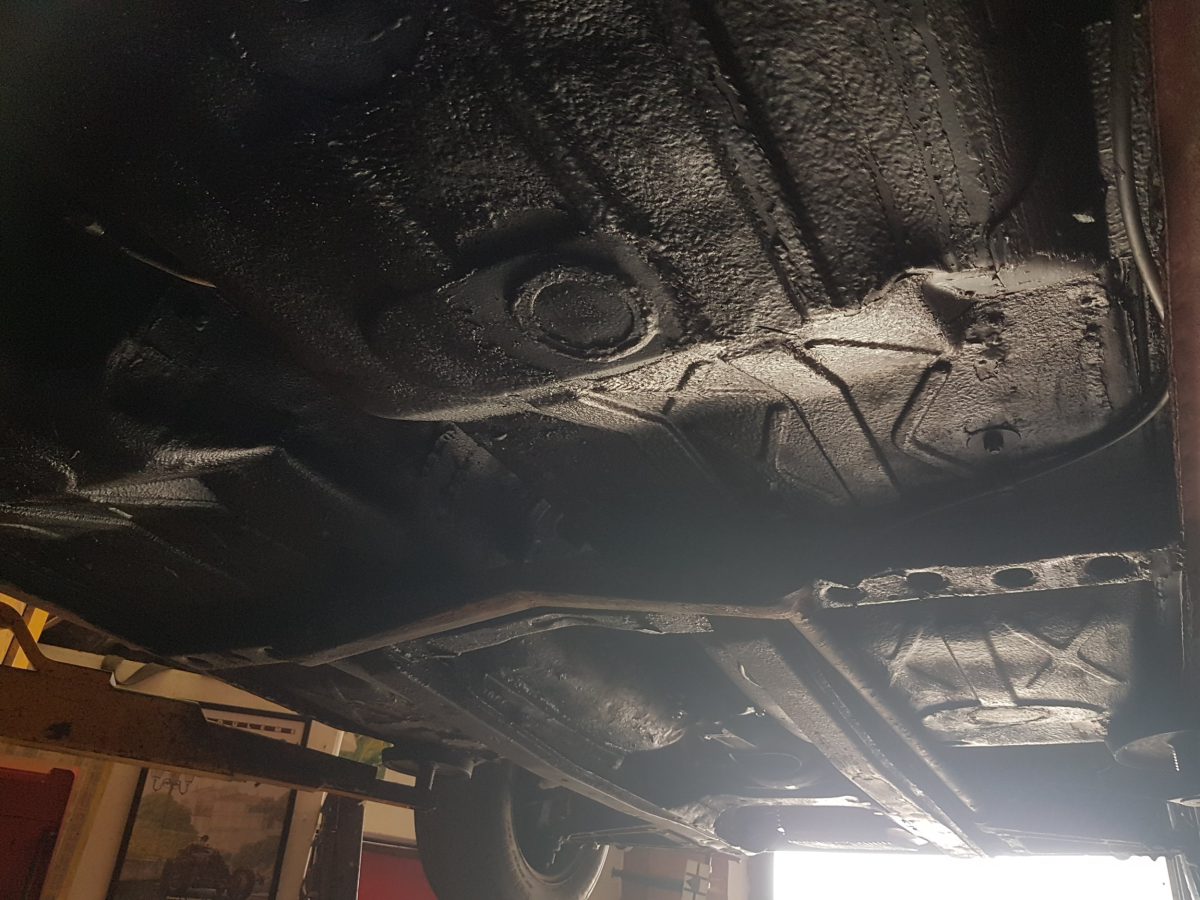
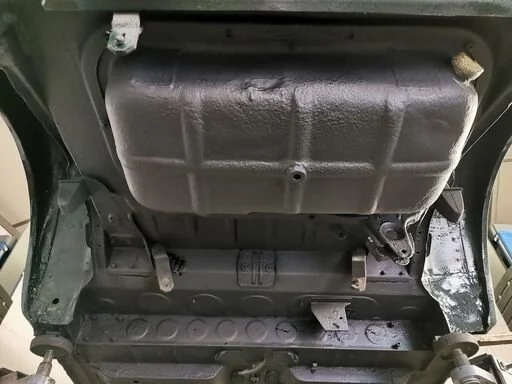
Why Rustproofing Is Worth Doing Properly
Most rustproofing fails for one of two reasons: sprayed over dirt so it never bonds, or over rust already there, sealing the moisture in. Done properly means cleaning first, getting into the cavities, and choosing the right product for how the car is used. We have spent years cutting rotten metal out of Italian cars, so we know where they go.
- We know where Italian cars corrode
- Applied clean and dry, never over dirt
- Right product for how you use your car
Frequently Asked Questions
Can we really protect Italian cars from the dreaded rust worm? Absolutely!
Is rustproofing the same as underseal?
No. They are actually quite different processes. Undersealing (also referred to as undercoating) describes a coating (something like a hard lacquer) being sprayed over a vehicle's exposed underside such as floor plans, subframes, chassis rails, etc. Rustproofing involves much the same, but it differs in that it also protects closed-in cavities (where rust often spreads from) such as box sections, sills, door skins, etc.
How often does Lanoguard need redoing?
Lanoguard is broken down by exposure to sunlight, so where it has been applied to closed-in areas it is very long lasting. However, for general applications we recommend top-ups on an annual basis.
How long does the car stay with you?
It depends on the condition of the vehicle, but on average to protect a car with no severe prior rusting, 3 hours.
Why is the car's underside cleaned and dried first?
Treatment sprayed over dirt or damp traps moisture in and does more harm than good, so we don’t rush it. Most rustproofing fails because it’s sprayed over dirt and never bonds, or over rust that’s already there and spreading.
Can new or modern cars be treated?
Absolutely. Modern cars need protecting from the UK's harsh road environments just as much as classics.
Do you treat modern cars as well as classics?
Yes – we protect classics and modern cars alike, here in Norwich.
Do you work on cars that already have some rust?
Yes. The processes we use stop rust proceeding any further, sealing it in place and protecting the untouched metal around it. However, if the rust is so severe it is aready weakening core components, we may need to advise welding and repairs.
Book Your Rust Protection Appointment
Tell us the car, its age and roughly its condition. We will come back with the right treatment and a price to protect it.